Top 5 Fencing Options For Darwin Homes In 2026
Looking back on 2025, one thing became clear across Darwin homes: fencing choices shifted from purely functional boundaries to smarter, longer-term investments. Homeowners placed greater value on materials that could handle heat, humidity and seasonal storms while still improving street appeal and privacy. The result was a noticeable move towards fencing options that balanced durability with modern design.
In Darwin, fencing has always had to work harder than in many other parts of the country. Exposure to sun, moisture and wind places constant pressure on materials, and poorly chosen fences tend to show wear quickly. Over the past year, certain fencing styles consistently stood out for their performance, adaptability and low maintenance demands.
Let's reflect on the fencing options that proved most effective for Darwin homes in 2025 and explain why they continue to shape fencing decisions moving into 2026.
Choosing a fence in Darwin has always been about more than marking a boundary.
Throughout 2025, Darwin homeowners increasingly approached fencing as part of the overall property design rather than an afterthought. Front fences were expected to manage privacy without closing homes off completely, while side and rear boundaries needed to withstand constant exposure to the elements.
In Darwin suburbs with open streetscapes, fencing often needed to allow airflow while still providing security. In other areas, privacy and noise control were higher priorities. Fencing businesses saw strong demand for consultations that looked at how each boundary was used rather than offering a one-size solution.
This shift showed that successful fencing in Darwin starts with understanding lifestyle, block layout and environmental conditions. When those factors are considered early, the final fence delivers both practical performance and visual consistency.
Colorbond fencing proved its staying power across Darwin homes.
Colorbond fencing continued to dominate Darwin residential projects throughout 2025, largely because it handled local conditions reliably. Heat, humidity and heavy rain didn’t demand constant upkeep, which made it appealing for both homeowners and landlords.
Darwin properties often used Colorbond fencing for:
- full boundary fencing requiring privacy
- side and rear fences exposed to direct sun
- properties needing consistent appearance across large runs
- homes where low maintenance was a priority
Installation quality played a big role in long-term results. Correct post depth, allowance for drainage and proper panel alignment made the difference between fences that lasted and those that rattled or shifted. In Darwin, Colorbond remained a practical choice because it delivered predictable performance year round.
Aluminium slat fencing became a clear favourite for Darwin street appeal.
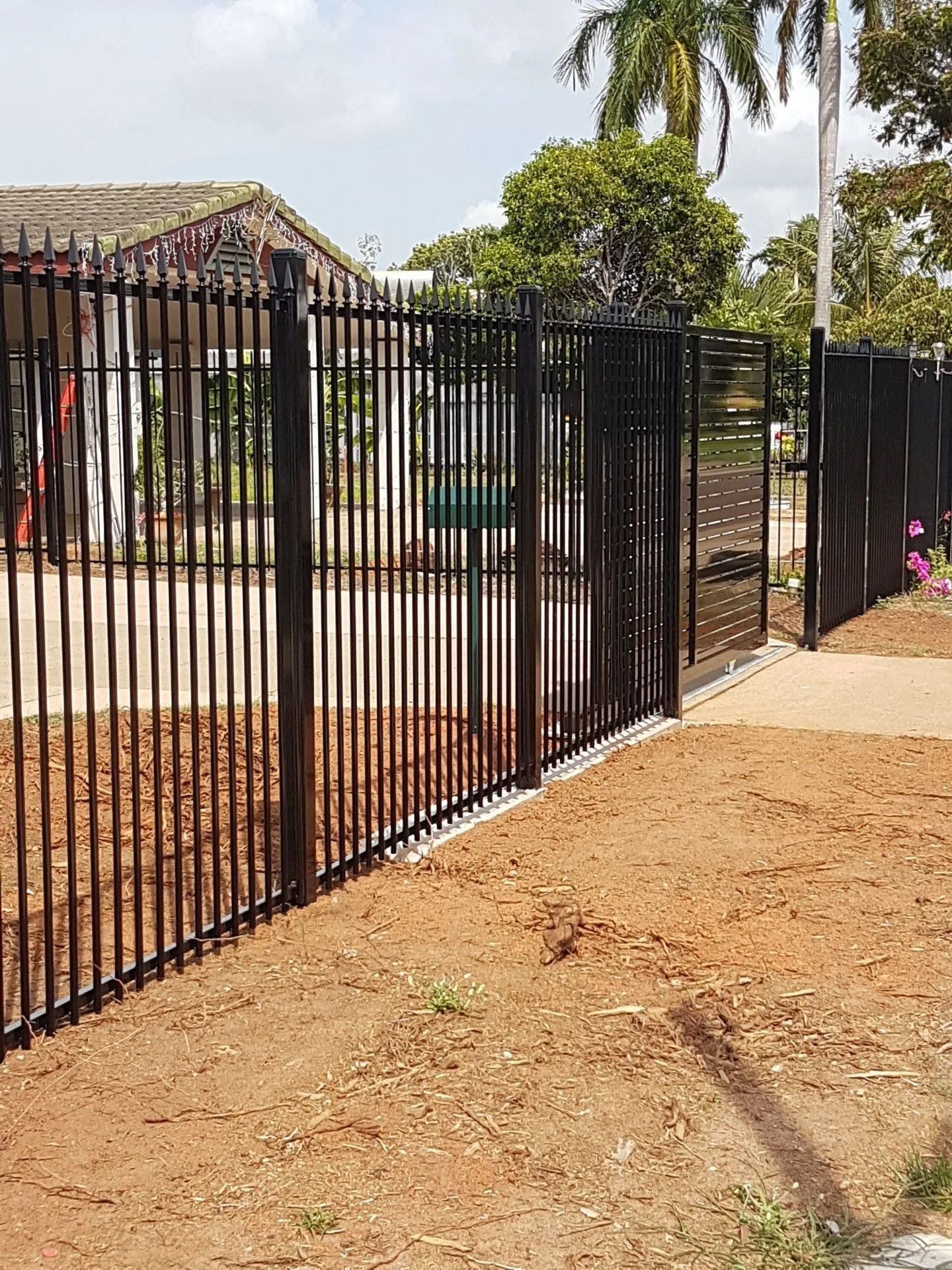
During 2025, aluminium slat fencing gained strong momentum in Darwin, particularly for front fences. Homeowners wanted modern lines without blocking breezes, and slatted designs offered a workable balance.
Aluminium handled Darwin’s climate well, resisting corrosion and warping while holding colour under intense sun. Slat spacing allowed for airflow, which mattered in neighbourhoods where heat build-up was a concern. Fencing installers often customised panel heights and spacing to suit individual streetscapes.
For Darwin homes with contemporary designs, aluminium slat fencing delivered a clean, architectural look without the maintenance demands of timber. Its popularity reflected a broader trend towards fencing that enhances presentation without adding complexity.
Timber fencing remained relevant when installed with Darwin conditions in mind.
Timber fencing didn’t disappear in 2025, but its use in Darwin became more selective. Homeowners who chose timber were typically seeking warmth and character, especially for rear yards and garden-facing boundaries.
Successful timber fencing projects in Darwin relied on:
- properly treated timber suited to humid conditions
- adequate ground clearance to reduce moisture exposure
- correct post spacing and bracing
- ongoing maintenance planning from the outset
When these factors were addressed, timber fences performed well and aged naturally. Problems tended to arise when timber was chosen purely for appearance without considering exposure and drainage. In Darwin, timber remained a valid option when supported by professional installation and realistic expectations.
Pool fencing and boundary fencing increasingly merged into single designs.
One of the more noticeable Darwin fencing trends in 2025 was the blending of pool fencing with boundary fencing. Homeowners wanted fewer visual interruptions and a more cohesive outdoor layout.
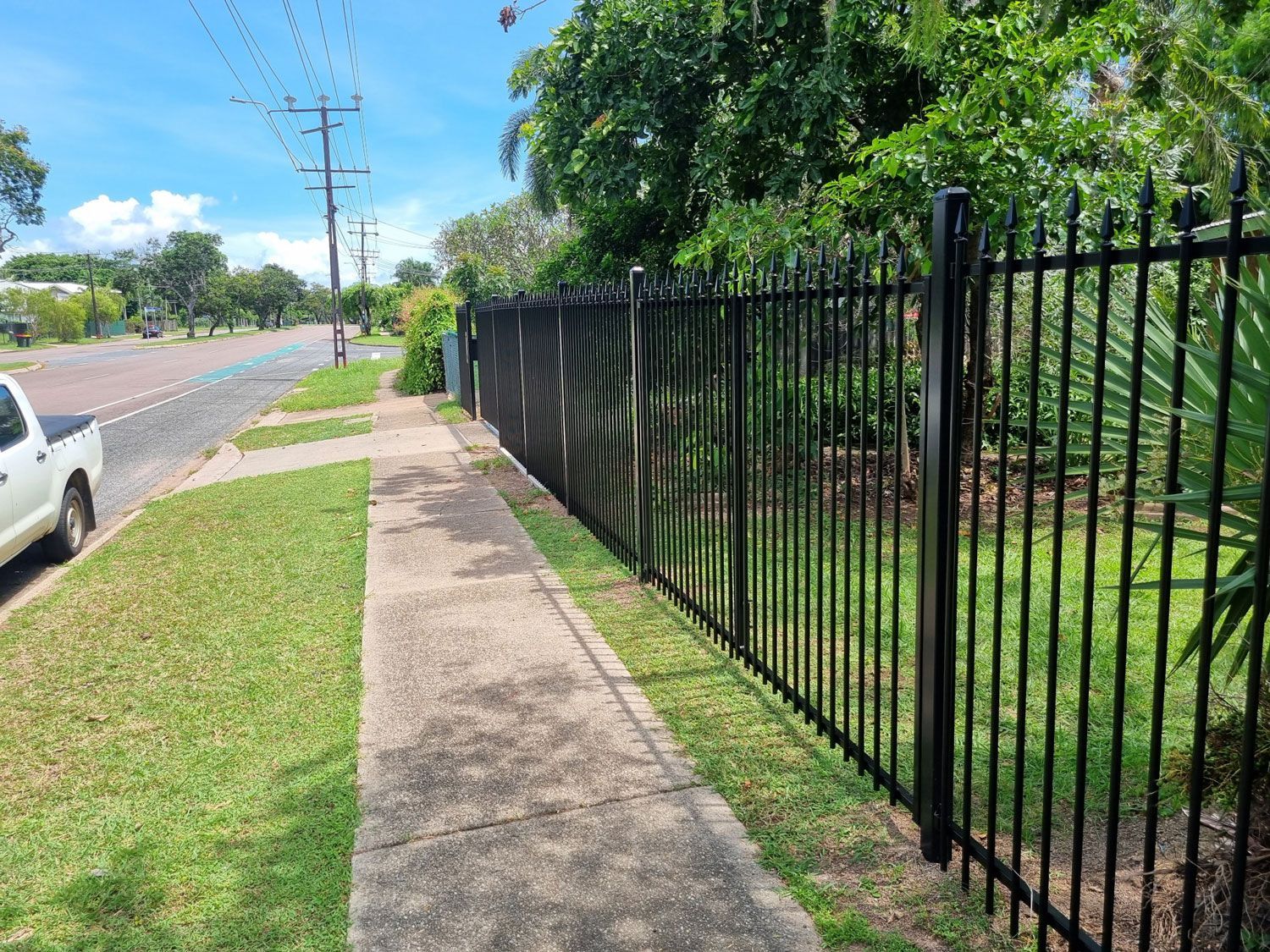
Aluminium and modular panel systems were commonly used to meet safety requirements while maintaining consistent lines across the property. In Darwin, this approach worked well for homes with compact outdoor areas where space efficiency mattered.
Professional fencing services played a key role in ensuring compliance while achieving visual flow. Gates, latch placement and panel spacing required careful planning. The success of these combined solutions showed that safety and aesthetics didn’t need to compete when design was handled properly.
Security fencing in Darwin evolved into subtler, stronger solutions.
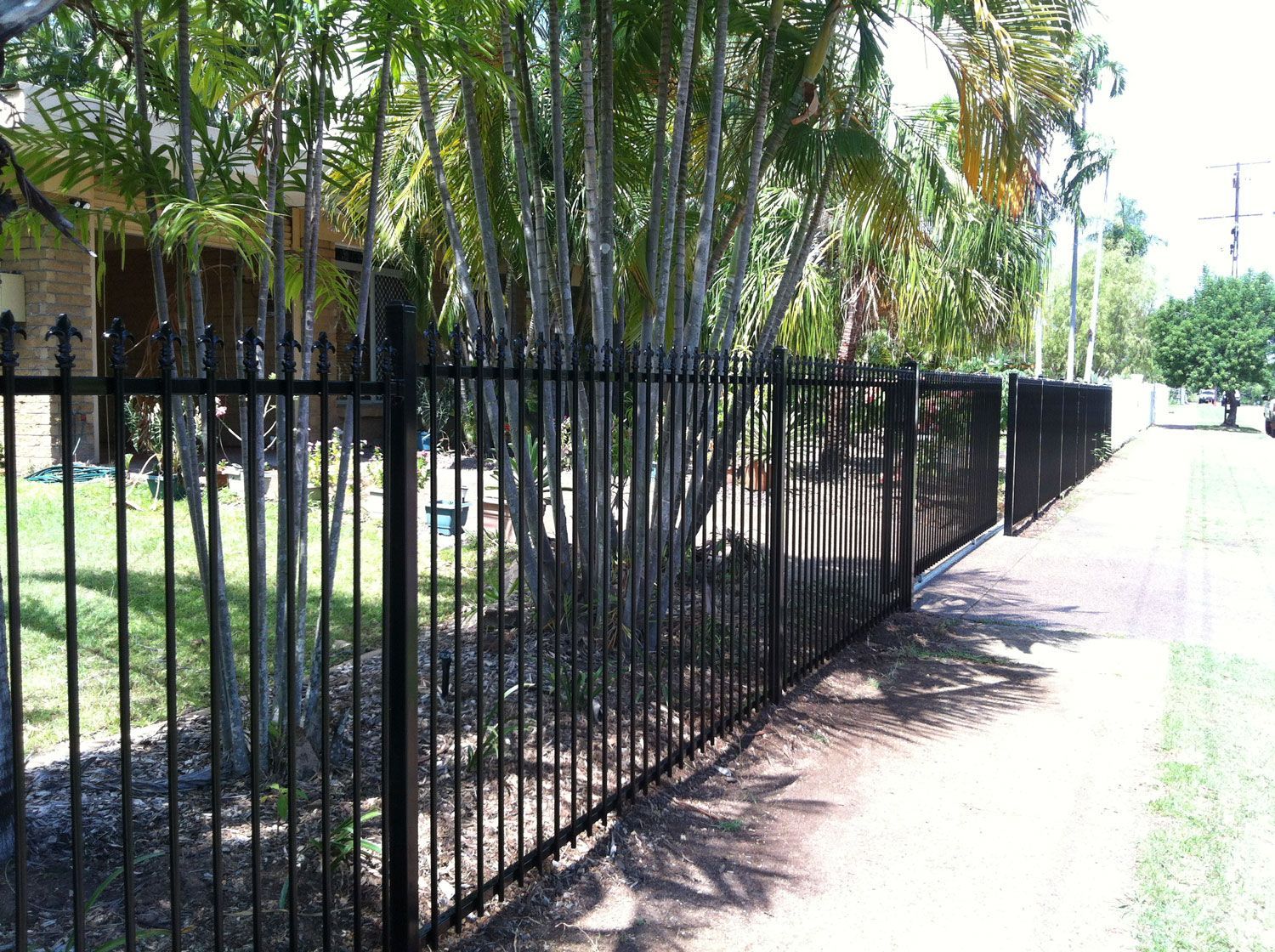
Security fencing across Darwin shifted in 2025 from overt, heavy-looking barriers to designs that quietly reinforced protection. Homeowners wanted peace of mind without creating fortress-style boundaries.
Common security-focused features included:
- reinforced posts and panels
- anti-climb spacing and profiles
- integrated locking gates
- compatibility with lighting and access systems
Darwin fencing installers increasingly tailored security solutions to the specific risk level of each property. This avoided unnecessary bulk while still addressing safety concerns. The result was fencing that felt appropriate to residential settings rather than industrial ones.
Custom fencing helped Darwin homes reflect individual character.
Custom fencing saw steady growth in Darwin during 2025 as homeowners moved away from standard off-the-shelf solutions. Mixed materials, varied heights and feature entry fencing became more common.
Custom projects often combined aluminium, steel and timber elements to suit modern Darwin architecture. Fencing businesses worked closely with homeowners to ensure designs were practical as well as distinctive. Wind exposure, soil conditions and drainage all influenced final designs.
These custom solutions showed that fencing could contribute meaningfully to property identity. When designed for Darwin conditions, bespoke fencing enhanced both usability and long-term value rather than becoming a maintenance burden.
Installation quality proved more important than material choice.
Across Darwin in 2025, one lesson stood out clearly: even the best fencing materials underperformed when installation was rushed or poorly planned. Soil conditions, drainage and wind exposure all affected fence stability.
Professional fencing installation typically included:
- site-specific footing depth
- alignment adjusted for terrain
- secure fixing to handle wind loads
- careful gate installation to prevent sagging
- final checks for movement and access
Fences installed with these considerations consistently outlasted cheaper, faster alternatives. In Darwin, proper installation was the factor that turned good materials into long-term assets.
If you’re reviewing
fencing options for your Darwin home in 2026, the lessons to be learned from 2025 are clear: materials matter, but local installation expertise matters more. We at
Fence Factory supply and install fencing solutions designed specifically for Darwin conditions, including Colorbond, aluminium slats, timber and custom fencing. Visit or
contact our team to discuss a fencing solution that will perform reliably and look right for years to come.