Common Fence Problems & How To Prevent Them Before They Cost You
A fence might seem like a simple structure, but it plays an important role in security, privacy and property value. It defines boundaries, enhances street appeal and can even contribute to safety for pets and children. For property owners dealing with fencing in Darwin, these benefits can quickly be affected by harsh environmental conditions if maintenance is overlooked. Over time, even well-built fences can develop issues, especially when exposed to changing weather conditions, soil movement and general wear.
What starts as a small problem can quickly turn into a costly repair if left unchecked. Understanding the most common fence problems and how to prevent them can help you protect your investment and avoid unnecessary expenses. Whether you manage a rental, maintain a large property or simply want your boundary looking its best, a proactive approach makes all the difference.
Leaning Posts & Shifting Ground
Fence posts are the backbone of any fence, so when they start to lean, it often signals a deeper issue below the surface. Soil movement, poor installation or waterlogged ground can all cause posts to shift over time, leading to an uneven and unstable fence line. In some cases, this can also affect gates and connected structures.
To reduce the risk of leaning posts, it is important to:
- Ensure posts are installed at the correct depth with proper footing support.
- Improve drainage around fence lines to prevent water from weakening the soil.
- Regularly check for early signs of movement and address them promptly.
Taking the time to stabilise your fence at the ground level can prevent widespread structural issues later. Early intervention is often far simpler than replacing entire sections or rebuilding long stretches.
How Rust Slowly Weakens Metal Fencing
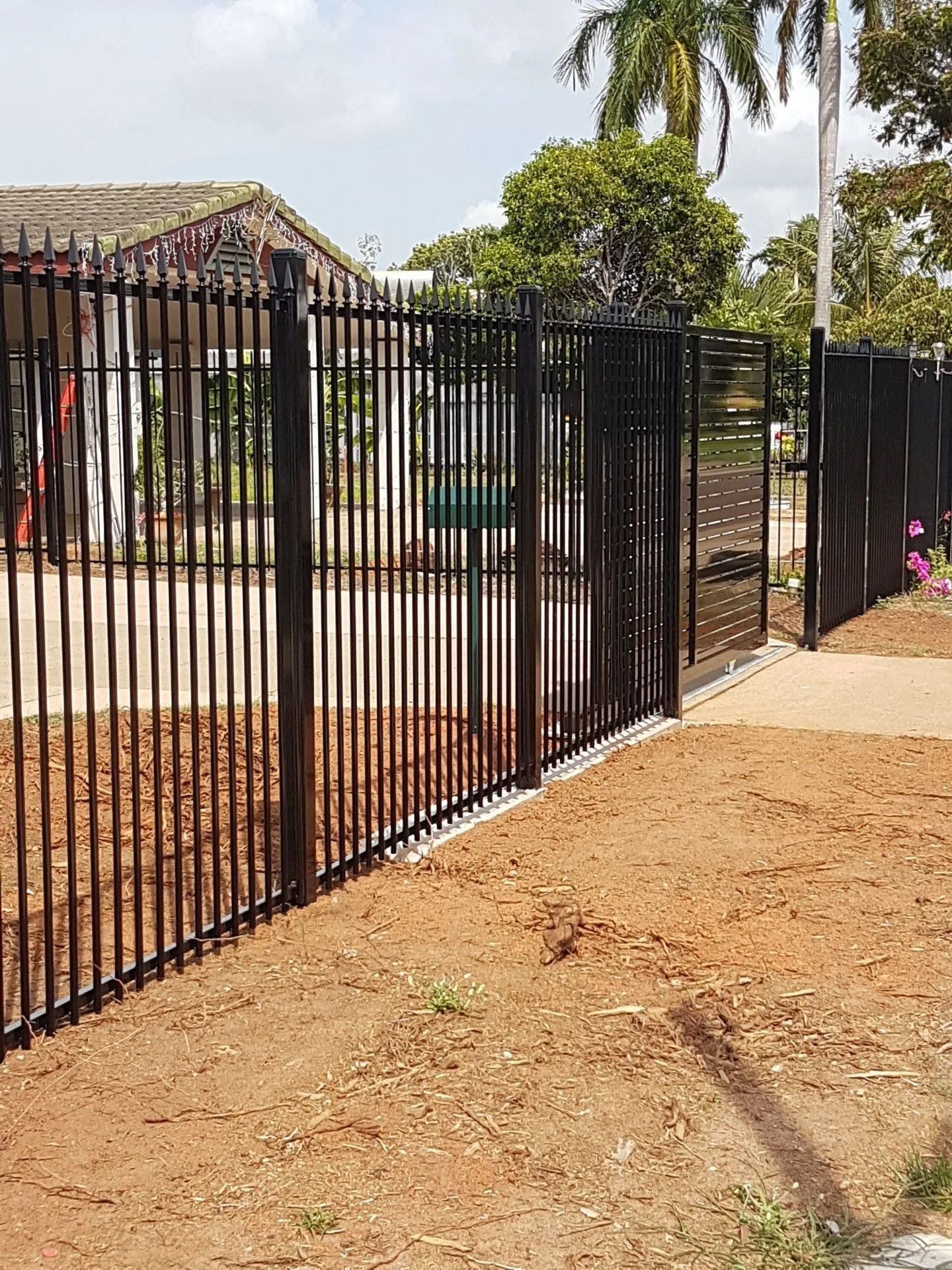
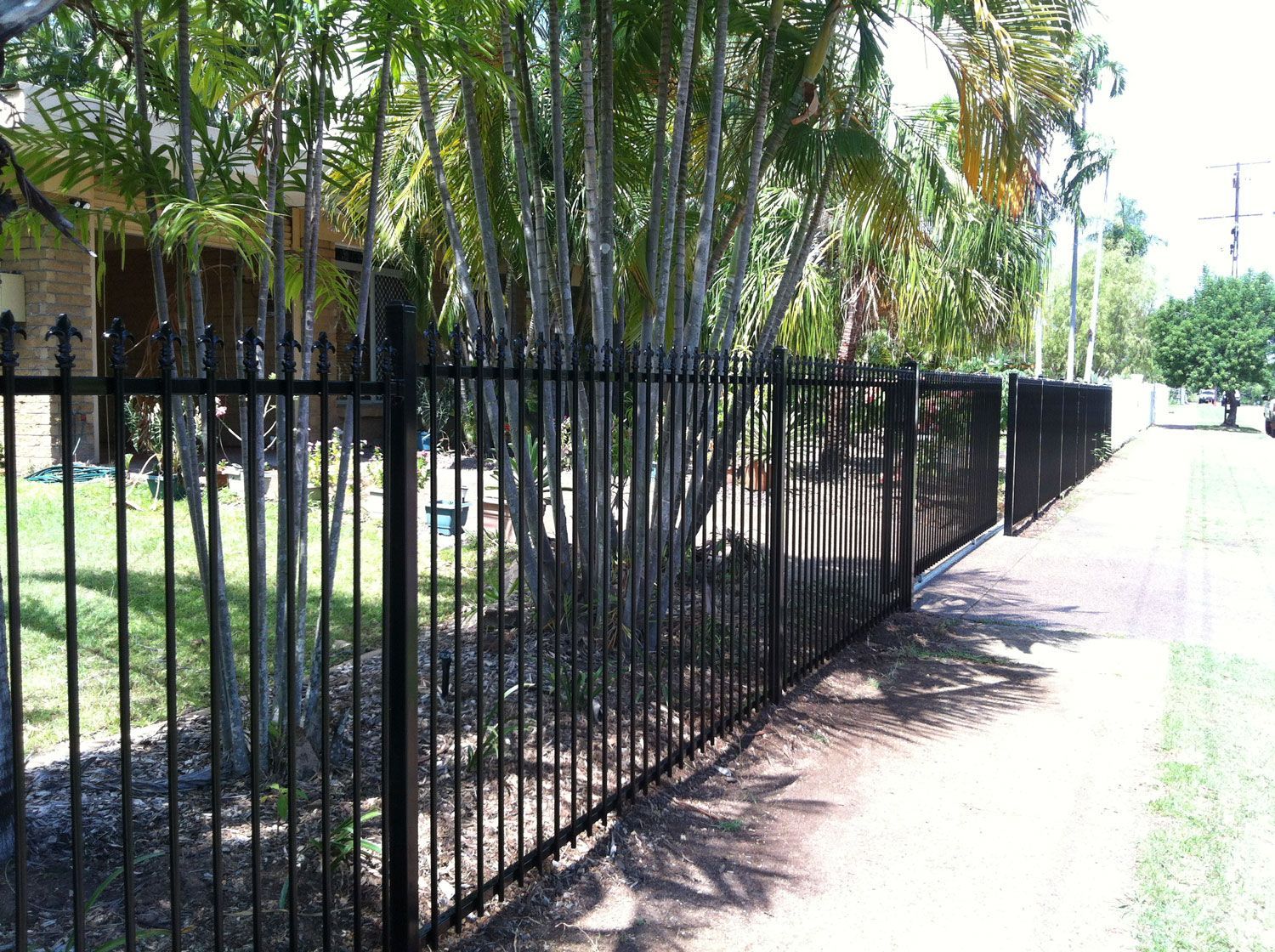
Metal fencing is known for its durability, but it is still vulnerable to rust and corrosion, particularly in areas with high humidity or frequent rain. Once rust takes hold, it can spread quickly and weaken the integrity of the fence if not treated early.
Preventing corrosion comes down to consistent care, including:
- Applying protective coatings or paint to exposed metal surfaces.
- Cleaning dirt and debris that can trap moisture against the fence.
- Inspecting joints and fixings where rust is more likely to begin.
Keeping metal fencing in good condition requires routine attention, but these small efforts can significantly extend its lifespan and maintain its overall appearance.
Timber Rot from Ongoing Moisture Exposure
Timber fences offer a natural look, but they are particularly susceptible to moisture damage. Rot can develop when timber is exposed to ongoing damp conditions, especially if it is untreated or poorly maintained over time.
To protect timber fencing, property owners should:
- Use treated timber designed for outdoor conditions.
- Seal or stain the wood to create a barrier against moisture.
- Keep soil and garden beds from sitting directly against the fence.
By managing moisture exposure, you can slow down the deterioration process and keep your fence structurally sound for longer, even in challenging environments.
Loose Panels That Compromise Stability
Over time, fence panels can become loose due to general wear, wind pressure or ageing fixings. While it might start as a minor rattle, loose panels can compromise the strength and stability of the entire fence and may lead to further damage if ignored.
Maintaining secure panels involves:
- Tightening screws, nails or brackets during routine inspections.
- Replacing worn or rusted fasteners before they fail completely.
- Checking alignment after storms or strong winds.
A well-secured fence not only looks better but also performs more reliably under pressure, especially during periods of heavy use or harsh weather.
Storm Impact & Environmental Wear
Severe weather can put any fence to the test. Strong winds, heavy rain and debris impact can cause immediate damage or weaken sections over time, especially if the fence was not designed for such conditions in the first place.
To prepare your fence for harsh weather, consider:
- Choosing materials suited to local environmental conditions.
- Reinforcing posts and panels in exposed areas.
- Clearing nearby branches or loose items that could cause impact damage.
Being proactive before storm season can reduce the risk of sudden and expensive repairs while helping your fence withstand ongoing environmental stress.
Understanding Soil Movement Over Time
Ground conditions can change over time due to moisture levels, temperature fluctuations and natural settling. These shifts can place pressure on fence posts and panels, leading to misalignment, cracking or gradual structural weakening. This is particularly relevant when considering fencing in Darwin, where soil conditions and seasonal changes can impact long-term stability.
To minimise the impact of soil movement, it helps to:
- Monitor areas prone to erosion or water pooling.
- Maintain consistent ground levels along the fence line.
- Use appropriate installation techniques for the soil type.
Understanding how your land behaves can help you make better decisions when installing or maintaining fencing and reduce long-term structural risks.
Everyday Wear Without Regular Maintenance
Even without major events, all fences experience gradual wear and tear. Exposure to sun, rain and everyday use slowly affects materials, especially if maintenance is overlooked or delayed over time.
A simple maintenance routine should include:
- Inspecting the fence periodically for early signs of damage.
- Cleaning surfaces to remove dirt, mould or buildup.
- Addressing small repairs before they become larger issues.
Regular upkeep does not need to be time-consuming, but it plays a key role in extending the life of your fence and preserving its appearance.
Why Installation Quality Matters from the Start
Many common fence problems can be traced back to how the fence was installed in the first place. Poor alignment, inadequate footings or incorrect material choices can lead to ongoing issues that require repeated fixes and added expense.
Working with experienced professionals can help you:
- Choose materials suited to your property and conditions.
- Ensure correct installation methods are followed from the start.
- Receive advice on maintenance and long-term care.
Investing in proper installation can save time and money by reducing the likelihood of recurring problems and improving overall fence performance.
Protect Your Fence Before Problems Escalate
We at Fence Factory understand how quickly small fencing issues can turn into costly repairs if they are not addressed early. With the right approach, including quality materials, proper installation and regular maintenance, you can extend the life of your fence and keep it performing as it should. Conditions in Darwin can place added stress on fencing, from moisture and heat to shifting ground, making prevention especially important. If you are dealing with common fence problems or planning a new installation, get in touch with our team to ensure your fencing in Darwin is built to last and ready for the conditions.