Different Types Of Fencing Explained: Timber, Aluminium, Steel & More
Choosing the right fence is rarely a simple decision. It shapes how a property looks, how secure it feels and how much ongoing care is required over time. With so many materials and styles available, it can be difficult to know where to start or which option will suit your needs long term.
From traditional timber panels to modern aluminium and heavy-duty steel, each fencing type offers its own balance of appearance, durability and function. Understanding these differences is key when comparing options for privacy, security, compliance or simply defining boundaries.
Below is a practical breakdown of the most common types of fencing in Darwin, including where they are typically used and what to consider before making a decision.
Timber Fencing: A Classic Choice for Privacy & Style
Timber fencing remains one of the most widely used options for residential properties. Its natural appearance works well across a variety of home styles, from older homes to newer builds.
Timber is often chosen for boundary fencing where privacy is a priority. It can be customised in height, finish and design, making it a flexible option for different layouts.
Key considerations include:
- Provides strong visual privacy when installed as solid panels
- Can be painted or stained to suit exterior colours
- May require regular maintenance, such as sealing or repainting
- Susceptible to weather exposure over time without treatment
Timber fencing is commonly used in suburban settings where a softer, more traditional look is preferred.
Aluminium Fencing: Lightweight & Low Maintenance
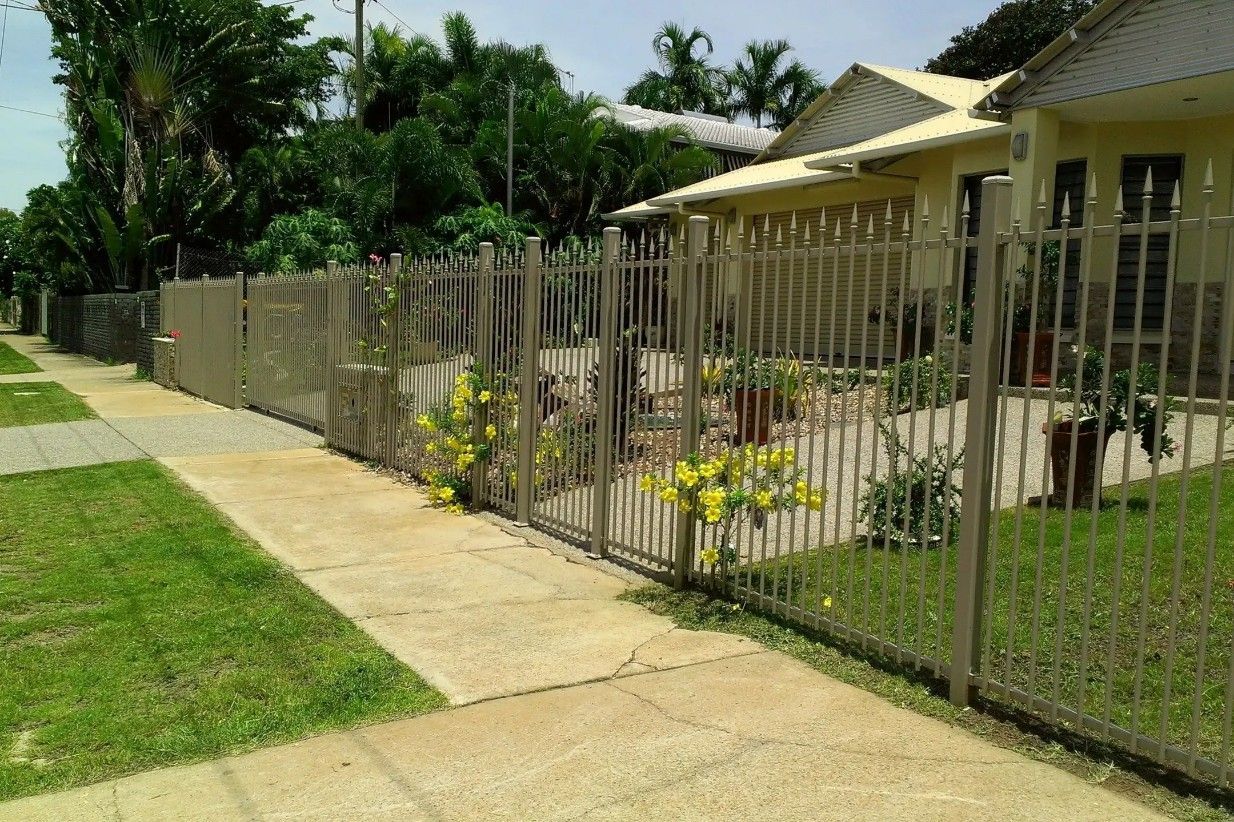
Aluminium fencing is a popular option for those seeking a clean, modern appearance without ongoing upkeep. It is commonly used around pools, gardens and front boundaries where visibility is still important.
Unlike timber, aluminium does not warp or rot, which makes it suitable for areas exposed to changing weather conditions.
Features of aluminium fencing include:
- Resistant to rust & corrosion
- Requires minimal maintenance compared to other materials
- Available in a range of colours and finishes
- Suitable for decorative & compliant pool fencing
Aluminium fencing is often selected for properties where both aesthetics and practicality are important.
Steel Fencing: Strength & Security
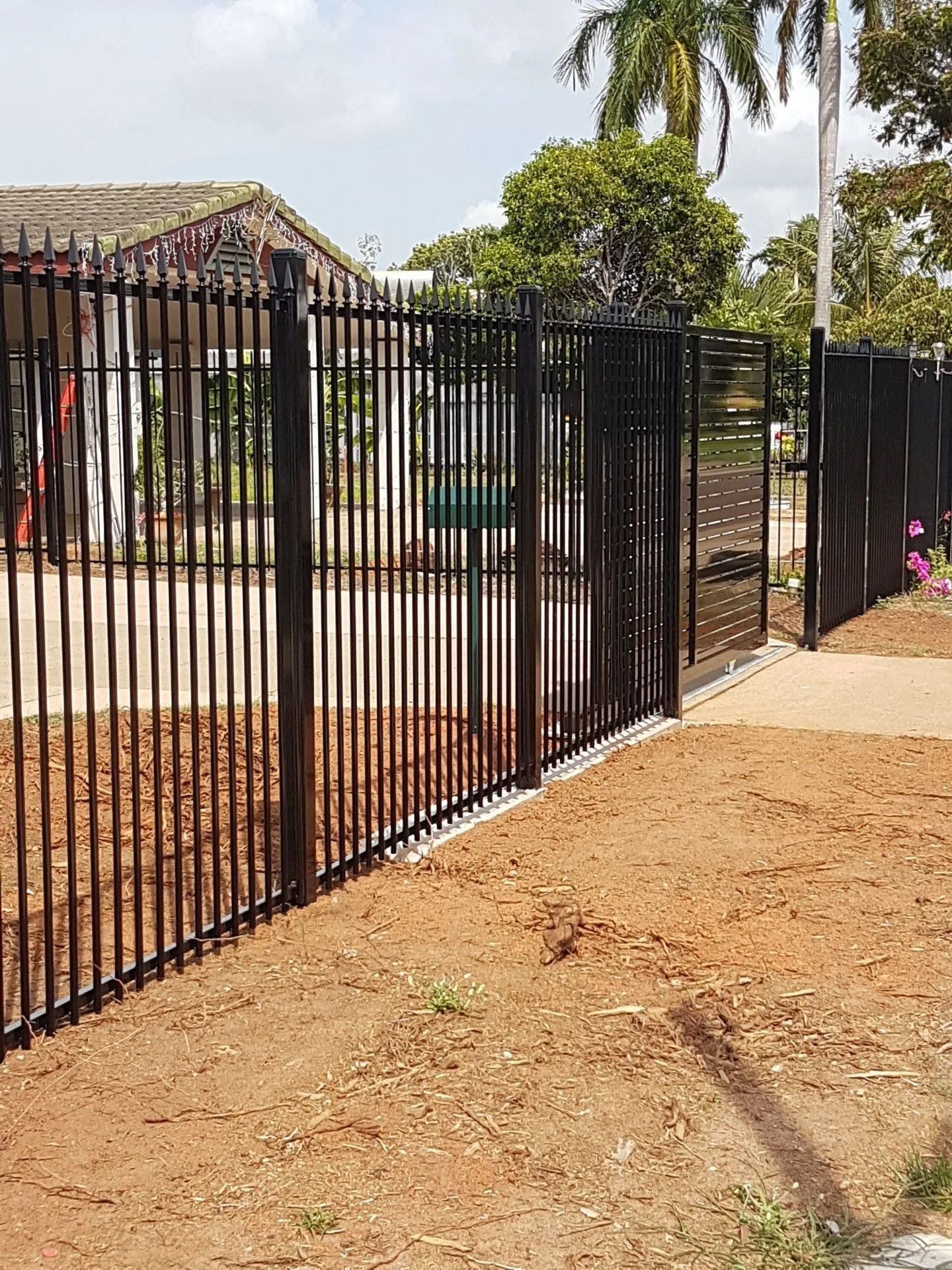
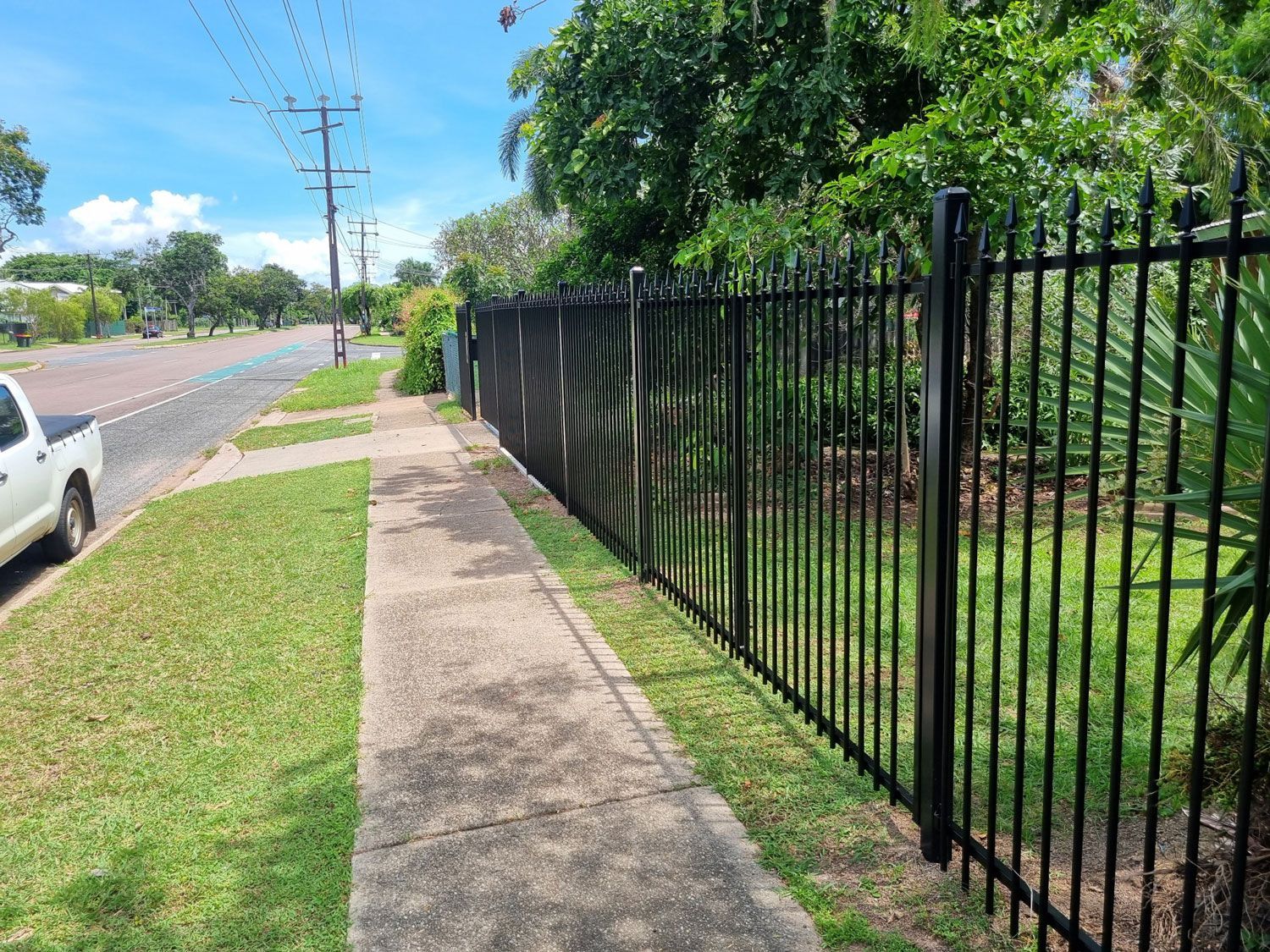
Steel fencing is typically associated with durability and security. It is often used for commercial properties, industrial sites and residential areas where added protection is required.
Steel panels or tubular fencing can be designed to provide both visibility and strength, depending on the intended use.
Common benefits include:
- Strong & durable construction
- Suitable for high-security applications
- Can be powder-coated for additional protection
- Longer lifespan compared to some lighter materials
Steel fencing is often chosen when the priority is securing a property or restricting access.
Colorbond Fencing: A Popular Modern Alternative
Colorbond fencing has become a widely used solution across many Australian properties. Made from pre-coated steel panels, it offers a sleek and consistent appearance.
This type of fencing is often used for side and rear boundaries where privacy and durability are both important.
Key features include:
- Solid panels for increased privacy
- Available in a range of colours to match exterior designs
- Does not require painting after installation
- Resistant to termites & rot
Colorbond fencing is commonly considered when a balance of appearance and low upkeep is desired.
Chain Link Fencing: Practical & Cost-Conscious
Chain link fencing is a functional option often used for larger areas, commercial sites and temporary enclosures. It provides boundary definition without blocking visibility.
While it may not offer privacy, it is widely used where clear sightlines are required.
Typical uses include:
- Securing large outdoor areas such as yards or facilities
- Temporary fencing during construction projects
- Defining boundaries without obstructing views
- Supporting climbing plants in some residential settings
Chain link fencing is generally selected for practicality rather than visual appeal.
Glass Fencing: Clean Lines for Modern Spaces
Glass fencing is commonly used around pools and outdoor entertaining areas. It provides a clear boundary without interrupting views, which makes it a popular choice in contemporary designs.
It is often installed using toughened safety glass panels supported by metal fittings.
Important points to consider:
- Maintains open sightlines and enhances visibility
- Suitable for pool compliance when installed correctly
- Requires regular cleaning to maintain clarity
- Can be combined with other materials for contrast
Glass fencing is typically chosen where design and openness are key priorities.
PVC & Composite Fencing: Alternative Materials
PVC and composite fencing offer an alternative to traditional materials like timber and steel. These options are designed to mimic the appearance of timber while reducing the need for ongoing maintenance.
They are often used in residential settings where durability and appearance are both considerations.
Key features include:
- Resistant to moisture & pests
- Does not require painting or sealing
- Available in various colours and textures
- Generally lightweight & easy to install
These materials are often considered when looking for a timber-like finish without regular upkeep.
Choosing the Right Fence for Your Property
Selecting the right fencing option depends on several factors, including the purpose of the fence, the surrounding environment and long-term maintenance expectations.
Some materials are better suited for privacy, while others are designed for visibility or security. Budget, design preferences and compliance requirements also play a role in the decision.
When comparing types of fencing, it can help to consider:
- Privacy needs & boundary coverage
- Exposure to weather & environmental conditions
- Maintenance requirements over time
- Desired appearance & integration with existing structures
- Specific uses such as pool fencing or security barriers
It is also important to think about how the fence will function day to day. For example, boundary fencing may need to balance privacy with airflow, while front fencing may be more focused on presentation and street appeal. In some cases, combining different materials within the same property can offer a practical solution, such as using solid panels for rear boundaries and more open styles at the front.
Another consideration is how the fencing interacts with landscaping elements. Gardens, retaining walls and driveways can all influence the type and height of fencing required. Planning these elements together can help create a more cohesive outdoor space.
For those researching fencing in Darwin, understanding how each material performs in local conditions can help guide a more informed choice.
Get in Touch
At Fence Factory, we understand that selecting the right fencing in Darwin involves more than just choosing a material. Local conditions, property layout and intended use all influence what will work best over time. If you are planning a new fence or replacing an existing one, get in touch with us to discuss your options or request a quote tailored to your property.