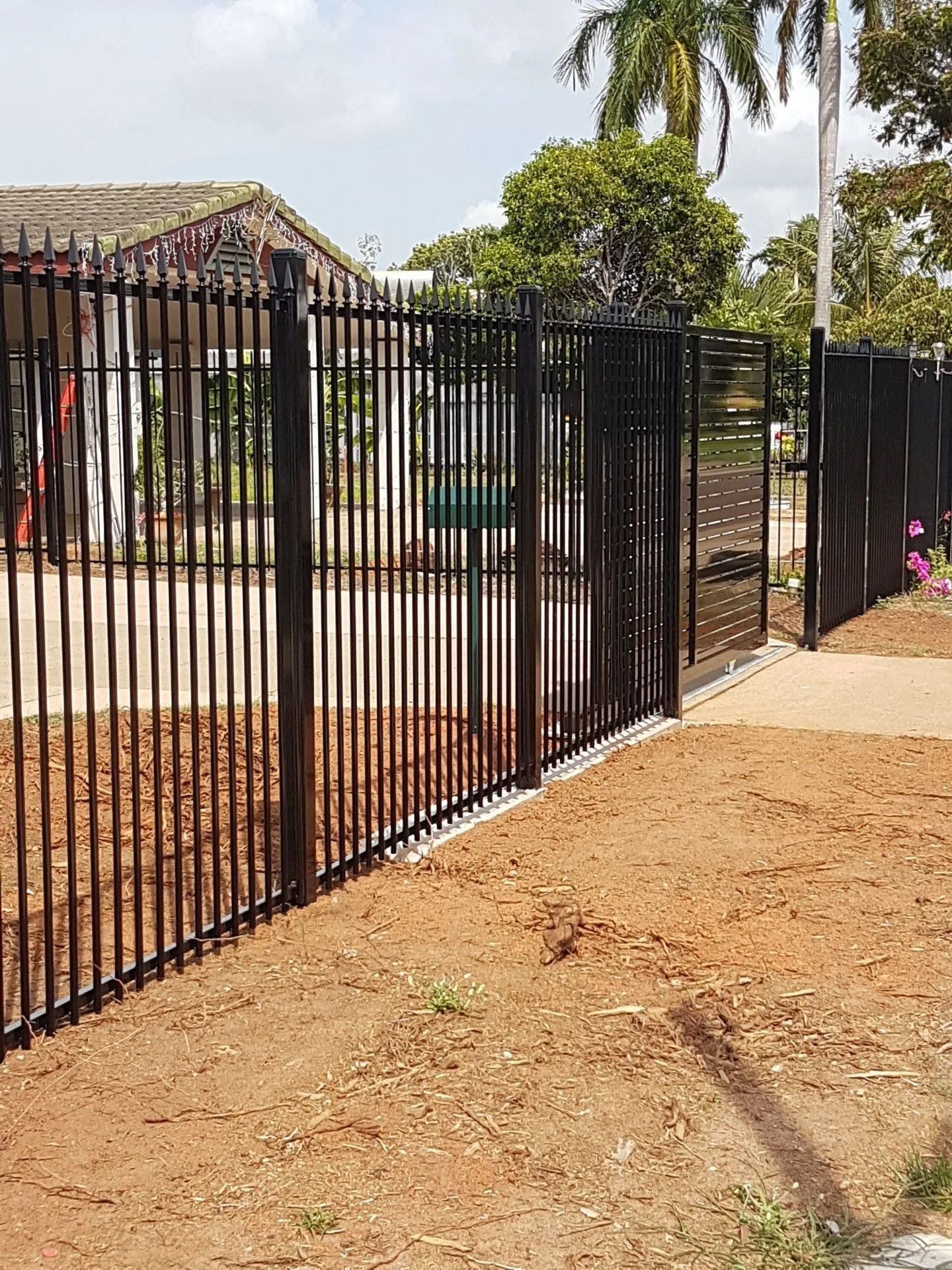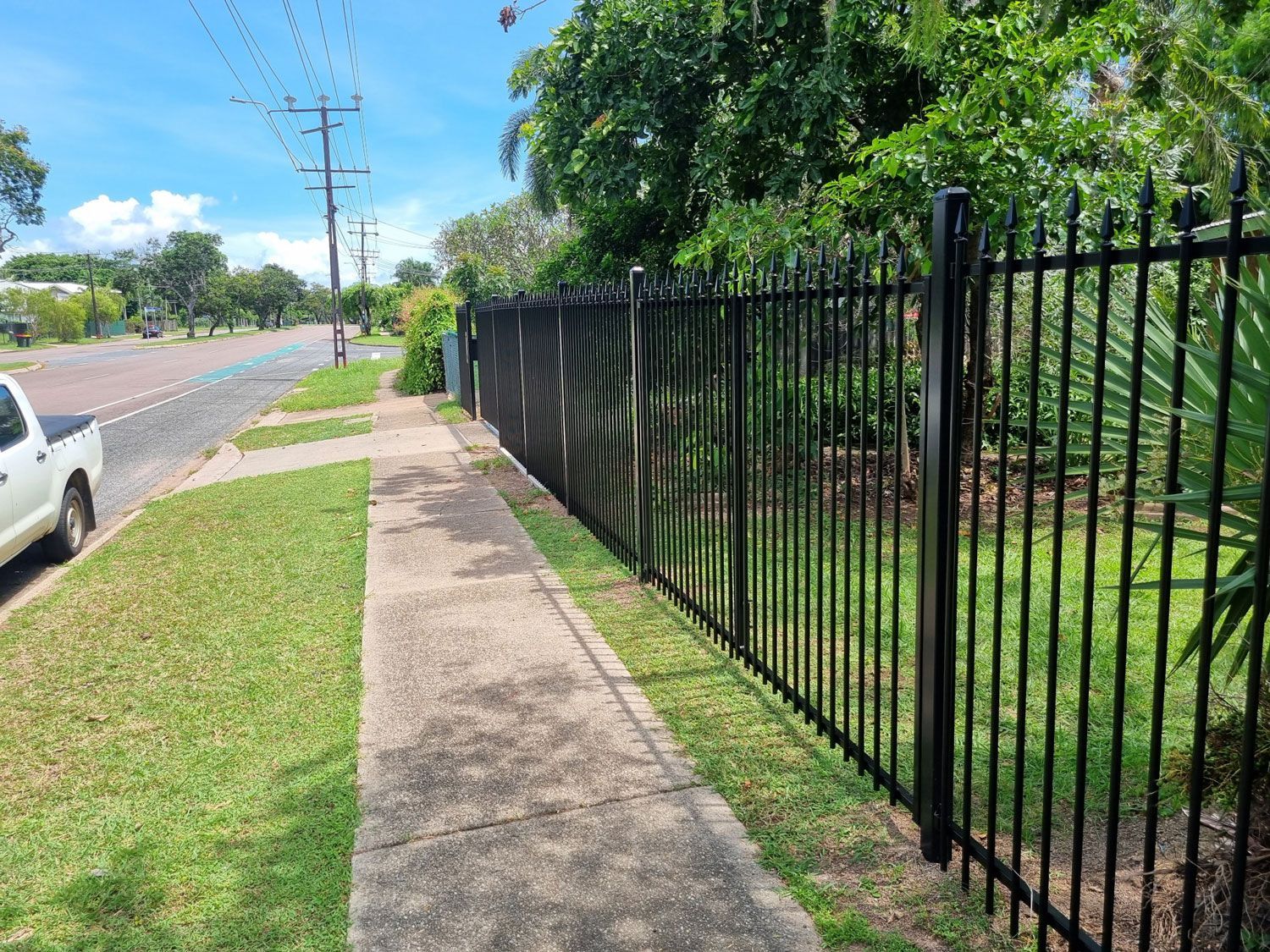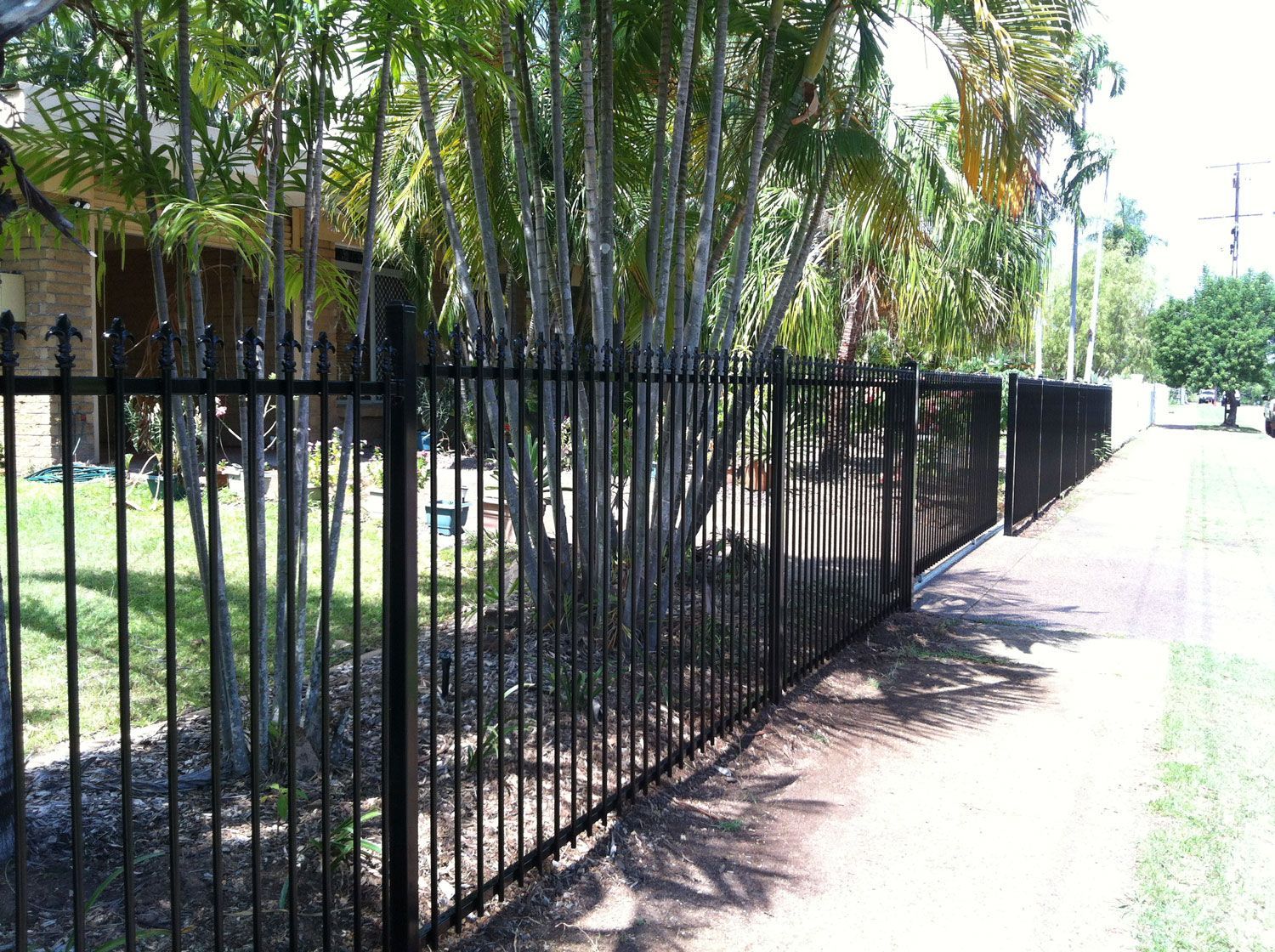
Front Boundary Fencing In Darwin: Boost Your Street Appeal & Security
A front boundary fence quietly shapes the way a property is perceived. It frames the home, defines the boundary between public and private space and contributes to the overall character of the streetscape. While many homeowners focus on gardens or exterior paint, the fence at the front of the property often becomes the visual anchor that ties everything together.
Beyond aesthetics, a well-considered fence can influence privacy, safety and how comfortably outdoor spaces are used. Climate conditions also play a role, particularly in tropical regions where materials are exposed to intense sun, heavy rain and humidity. Therefore, selecting the right Darwin fencing design involves more than appearance alone – it requires thought about durability, layout and how the structure complements the property itself.
Front boundary fencing can balance style and function when the materials, height and layout are chosen carefully. From contemporary metal fencing to traditional profiles and privacy-focused designs, there are many ways to shape a frontage that looks welcoming while supporting day-to-day security and practicality.
The Role Of A Front Boundary Fence
A front boundary fence performs several roles simultaneously. It establishes a physical perimeter, contributes to visual identity and helps define how people approach a property.
Unlike backyard fencing, which is typically designed for privacy, the front fence often sits within public view. Its design influences how the property connects with the surrounding streetscape.
A thoughtfully designed boundary fence can:
- Define the property line clearly without appearing closed off
- Provide a sense of privacy while maintaining visual openness
- Support pedestrian access through gates & entry points
- Contribute to the overall architectural character of the home
- Offer a level of separation from foot traffic & nearby roads
Fencing businesses typically assist homeowners with layout considerations, measurements, material selection and installation methods that suit residential frontages.
Balancing Street Appeal With Practical Design
Street appeal is often associated with landscaping or façade design, yet fencing plays an equally visible role. The right front boundary fence can frame a property in a way that highlights architectural features rather than distracting from them.
When selecting a design, homeowners often consider how the fence interacts with other exterior elements such as driveways, pathways, gardens and the front entry.
Common design considerations include:
- Fence height: Lower fences often create a welcoming appearance, while slightly taller options provide additional separation
- Spacing between pickets or panels: Open styles allow airflow and visibility, while closer spacing increases privacy
- Gate placement: Pedestrian gates and driveway access points should align with pathways and vehicle entry areas
- Colour and finish: Powder-coated metal, neutral tones or classic finishes can complement exterior walls and roofing
Fencing contractors typically offer guidance on styles that integrate with existing architecture while meeting practical boundary needs.
Materials Commonly Used For Front Boundary Fencing
Material choice influences both appearance and longevity. Front boundary fencing must withstand weather exposure while maintaining structural integrity and visual appeal over time.
Several materials are frequently used in residential fencing projects:
- Steel fencing: Often selected for durability and clean architectural lines. Powder-coated finishes provide colour options and added surface protection.
- Aluminium fencing: Lightweight and corrosion-resistant, commonly used for decorative or modern fencing profiles.
- Timber fencing: A traditional option that can create warmth and natural character. Timber fencing styles vary widely, from pickets to slatted panels.
- Composite materials: Manufactured products designed to resemble timber while offering additional weather resistance.
- Tubular metal fencing: Often used in front boundary applications where visibility and airflow are preferred.
Fencing services typically include advice on materials suited to outdoor exposure and installation methods appropriate for each fencing type.
Modern Front Fence Design Trends
Design preferences change over time, and front boundary fencing has evolved alongside contemporary architecture and landscaping styles. Many homeowners now seek fencing that complements modern façades while maintaining practicality.
Some design approaches currently appearing in residential fencing projects include:
- Horizontal slat fencing that creates clean, linear patterns
- Minimalist metal designs with simple vertical bars or panels
- Mixed-material fences combining timber slats with metal frames
- Low-profile boundary fencing that highlights landscaping features
- Integrated letterboxes or house numbers within the fence structure
These styles often aim to balance openness with defined boundaries, allowing properties to feel connected to the street without sacrificing privacy.
Privacy & Security Considerations
While front boundary fencing contributes to street appeal, privacy and security remain important considerations for many households. A fence can discourage unwanted access while still maintaining an inviting appearance.
Different fencing layouts can influence how visible or private the front yard becomes. Privacy-focused features may include:
- Closer spacing between panels or slats to limit direct visibility
- Solid sections combined with open sections for visual balance
- Lockable gates to manage entry points
- Fence heights suited to residential frontage guidelines
- Placement of plants or hedges alongside fencing
Fencing professionals often work with homeowners to identify designs that address both visual presentation and everyday use of outdoor spaces.
Why Local Manufacturing Matters
Front boundary fencing projects sometimes involve materials manufactured locally rather than sourced from distant suppliers. Locally produced fencing can offer practical advantages when considering design compatibility and installation requirements.
Local manufacturing can support:
- Material options suited to local environmental conditions
- Availability of replacement components if required
- Custom fabrication for unique property layouts
- Shorter lead times for certain fencing products
- Greater flexibility in adapting designs during installation
Fencing businesses working with locally produced materials can also assist with modifications, adjustments and site-specific design considerations.
Installation Factors That Influence Fence Longevity
A front boundary fence is exposed to weather conditions throughout the year. Installation methods play an important role in how the structure performs over time.
Several installation factors influence durability:
- Post depth & footing type appropriate for soil conditions
- Correct alignment & spacing of fence posts
- Use of corrosion-resistant fixings & hardware
- Drainage considerations to prevent water pooling near posts
- Proper anchoring of gates & moving components
Fencing installation services typically involve site preparation, post placement, panel installation and adjustments to ensure gates operate correctly once the fence is in place.
Planning Your Front Boundary Fence Project
Before construction begins, planning helps align the fence design with both property needs and local requirements. While many homeowners focus on appearance, early planning can also help address access points, property boundaries and potential council considerations.
Important planning steps often include:
- Confirming property boundaries before installation
- Checking any relevant council regulations or height guidelines
- Choosing materials compatible with the home’s exterior design
- Determining placement of pedestrian & driveway gates
- Considering landscaping elements alongside the fence
Working with a fencing provider during the planning stage can assist with measurements, design choices and preparation for installation.
Get In Touch
A well-designed front boundary fence can shape how a property looks, feels and functions from the moment someone approaches the gate. From selecting suitable materials to planning the layout of gates and panels, thoughtful design helps create a frontage that complements the home while supporting everyday privacy and security.
At Fence Factory, we manufacture and supply fencing products suited to local conditions and residential frontages. If you are considering Darwin fencing or exploring fencing Darwin homeowners commonly use for street-facing boundaries, you can learn more about our services or contact our team through our website. Our team can discuss design ideas, material options and front boundary fencing layouts suited to homes across the region.